




Confidential business information can have significant commercial value, particularly when it concerns proprietary processes, customer relationships, pricing models, financial data, product development, or internal operations.
Businesses often use confidentiality agreements and contractual restrictions to define how sensitive information may be accessed, used, and disclosed. When those boundaries are allegedly crossed, the dispute may involve questions about what information was protected, who had access to it, and whether the conduct fell within the rights granted by the agreement. Confidentiality breach disputes can arise between businesses, employers and former employees, partners, vendors, contractors, and other commercial parties. Resolving these matters may require examination of the confidentiality agreement, the nature of the information, the circumstances surrounding its disclosure or use, and the measures taken to protect it.
What Information Qualifies as Confidential?
The first issue in a confidentiality dispute may involve identifying the information covered by the agreement.
Commercial contracts may protect categories such as:
- Customer and client information
- Pricing and financial data
- Business plans
- Marketing strategies
- Product development information
- Technical processes
- Internal policies
- Supplier information
- Proprietary databases
Some agreements identify specific categories of protected information, while others use broader definitions.
A dispute can arise when the recipient argues that the information falls outside the contractual definition or was already publicly available. The legal analysis may depend on the language of the agreement and the circumstances surrounding the information at issue.
Contractual Restrictions on Use and Disclosure
Confidentiality provisions may address more than whether information can be disclosed to an outside party.
An agreement may restrict how the recipient uses the information, even when no disclosure occurs. For example, confidential information may be provided for a specific business purpose and may not be used for an unrelated commercial activity.
The agreement may also limit disclosure to employees, professional advisors, contractors, or other representatives who have a legitimate business reason to access the information.
The scope of these restrictions can affect whether particular conduct constitutes a contractual violation.
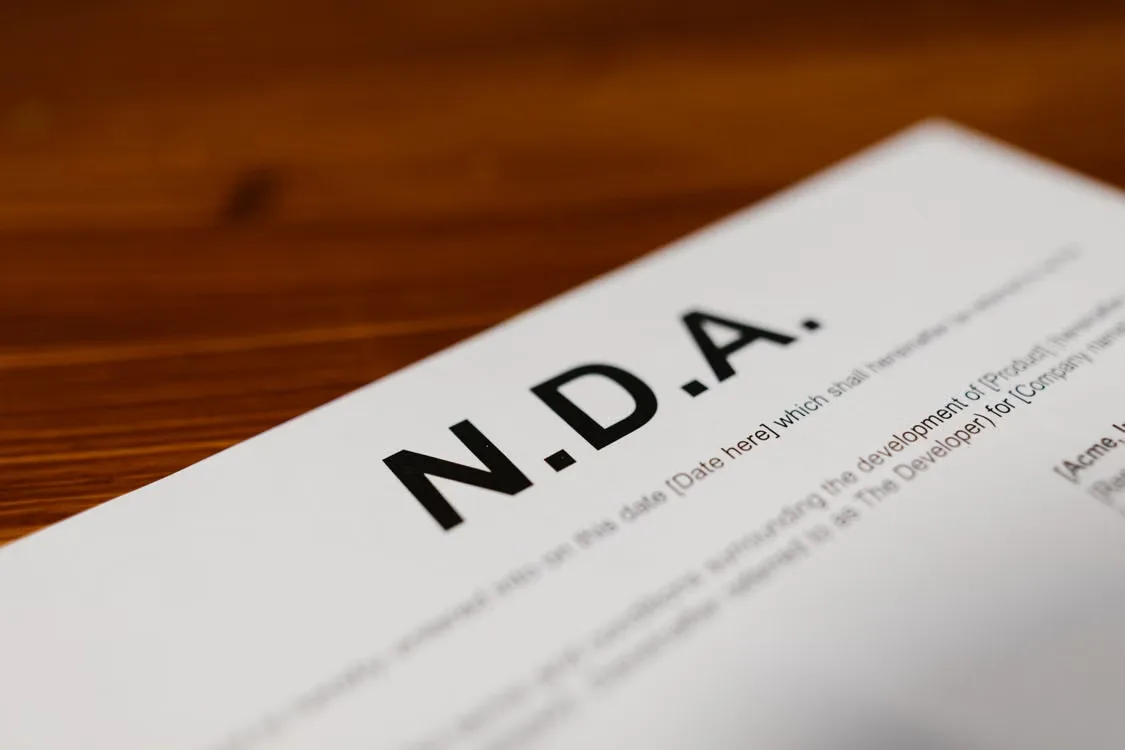
Unauthorized Disclosure Versus Unauthorized Use
Disclosure and use can present separate legal questions.
An unauthorized disclosure may occur when confidential information is shared with a person or organization that was not permitted to receive it. Unauthorized use may involve applying the information for a purpose outside the scope of the agreement.
For example, a business may receive proprietary pricing information while negotiating a transaction. If the information is later used to compete with the party that disclosed it, the dispute may concern use rather than public disclosure.
The distinction can become important when evaluating the contractual restrictions and the evidence surrounding the conduct.
Access Does Not Necessarily Mean Unlimited Permission
Employees, contractors, vendors, and business partners may receive access to confidential information as part of their work.
That access may be limited by the purpose for which the information was provided.
A person may have permission to review customer data to perform a specific service but lack permission to copy the information for personal use or transfer it to another business.
The circumstances surrounding access can therefore matter when determining whether subsequent conduct exceeded the authorization granted.
Confidentiality Obligations After a Business Relationship Ends
Confidentiality provisions may continue after a commercial relationship ends.
A contract may require the recipient to maintain confidentiality for a specified period or indefinitely for certain categories of information. It may also require the return or destruction of confidential materials.
Disputes can arise when a former employee, contractor, vendor, or business partner retains information after the relationship concludes.
The legal issues may involve the duration of the confidentiality obligation, the type of information retained, and whether the agreement established specific post-termination requirements.
Evidence Used to Evaluate Confidentiality Claims
When a confidentiality dispute reaches litigation, the evidence may extend beyond the confidentiality agreement itself.
Relevant evidence can include:
- Emails and internal messages
- Access logs
- File transfer records
- Cloud storage activity
- Download histories
- Employee communications
- Customer records
- Contractual policies
- Data security procedures
These materials may help establish who accessed the information, when access occurred, and how the information was subsequently handled.
The parties may also examine whether the information was actually confidential at the time of the alleged disclosure or use.
The Importance of Protective Measures
The way a business handles sensitive information can become relevant when confidentiality is challenged.
Businesses may use password controls, restricted access, confidentiality markings, employee policies, secure data systems, and contractual restrictions to limit access to sensitive materials.
The existence and application of these measures may provide context concerning whether information was treated as confidential and who was authorized to access it.
The absence of formal protections does not necessarily resolve the legal question, particularly when a contract expressly identifies information as confidential. The relevance of protective measures depends on the nature of the claim and the applicable legal framework.
Information That Becomes Public
Confidentiality protections may be affected when information becomes publicly available.
If information is independently available through public sources, a party may argue that it no longer qualifies as confidential under the agreement or applicable law.
The timing and manner in which the information became public can matter. A dispute may involve whether the information was publicly accessible before the alleged disclosure, whether only part of the information was public, or whether the information was assembled in a way that created additional commercial value.
These distinctions can affect the analysis of whether confidentiality protections continue to apply.
Confidential Information Received From Third Parties
Businesses sometimes receive sensitive information from customers, vendors, partners, or other outside sources.
A company may have contractual obligations concerning information that belongs to another organization. The business may also need to determine whether its employees and contractors are permitted to access or use that information.
A dispute may arise when confidential information moves through multiple organizations and the parties disagree about who was authorized to receive it or how it could be used.
The agreements governing each relationship may create separate obligations concerning the same information.
Remedies for Unauthorized Use or Disclosure
The consequences of a confidentiality violation can depend on the agreement and the nature of the alleged conduct.
A contract may provide for monetary damages, injunctive relief, attorneys’ fees, or other remedies where legally available.
A business may also seek relief designed to prevent continued disclosure or use of confidential information.
The appropriate remedy can depend on factors such as the nature of the information, the extent of the disclosure, the commercial impact, and the terms of the agreement.
How Courts Evaluate Confidentiality Claims
When a confidentiality dispute reaches a Virginia court, judges evaluate two primary elements: the specific language of the contract and the concrete evidence surrounding how the information was handled.
To determine whether a breach occurred, the court typically examines:
- Contractual Scope: Does the disclosed material clearly fall within the agreement’s definition of confidential or proprietary information?
- Access & Authorization: Was the recipient authorized to access, use, or share the information in that specific context?
- Restrictive Covenants: Did the individual’s actions directly violate non-disclosure or non-use restrictions outlined in the contract?

Evidentiary proof is critical in these matters. Courts rely heavily on digital access records, internal communications, file modification logs, and proof of how rigorously the business protected its sensitive data prior to the dispute.
Working with an experienced business lawyer ensures that contractual definitions, digital forensics, and corporate protocols are presented effectively to support your claim.
At Jabaly Law, our legal team helps businesses protect their sensitive commercial assets and resolve high-stakes non-disclosure conflicts. Whether you need to enforce a non-disclosure agreement (NDA) or defend against unfounded claims of unauthorized disclosure, our trial lawyers bring deep courtroom experience to every stage of commercial litigation.
As trusted advisors among Northern Virginia law firms, we assist clients with:
- Investigating unauthorized use or disclosure of proprietary data
- Evaluating digital evidence, access logs, and internal communications
- Resolving confidentiality breach disputes through negotiation, arbitration, or trial
When a confidentiality breach dispute threatens your proprietary information or commercial standing, contact Jabaly Law to evaluate your agreement and protect your business interests.
Frequently Asked Questions
Does a confidentiality agreement need to identify every specific piece of protected information?
A confidentiality agreement may define protected information by specific categories, general descriptions, or a combination of both. The sufficiency and interpretation of the definition depend on the agreement’s language and the circumstances of the relationship.
Can confidential information be shared with a company’s employees?
A confidentiality agreement may permit disclosure to employees who need access for legitimate business purposes. The agreement may also require those individuals to be subject to confidentiality obligations of their own.
What is the difference between a confidentiality agreement and a nondisclosure agreement?
The terms are often used interchangeably, although the specific rights and obligations depend on the document. Both generally address restrictions concerning the disclosure or use of sensitive information.
Can a confidentiality agreement protect information that was known before the agreement was signed?
An agreement may exclude information that the recipient already possessed lawfully before entering into the relationship. The contract’s exclusions and the evidence concerning prior knowledge can become relevant when determining whether particular information is protected.
Can confidential information be used as evidence in another legal proceeding?
Confidential information may sometimes be disclosed in connection with litigation or another legal proceeding when required or permitted by law. Protective orders and confidentiality procedures may limit how such information is handled during the proceeding.
What happens when confidential information is accidentally disclosed?
The legal consequences of an accidental disclosure can depend on the agreement, the circumstances of the disclosure, and the steps taken afterward. Contractual notice requirements or incident response provisions may also become relevant.
Can a business claim confidentiality over information created by an independent contractor?
Ownership and confidentiality are separate issues. A contract may establish who owns work product while separately addressing whether business information accessed or created during the relationship must remain confidential.
How long can a confidentiality obligation last?
The duration of a confidentiality obligation depends on the contract and the nature of the information. Some agreements establish a specific period, while others provide continuing protection for certain categories of sensitive information.