



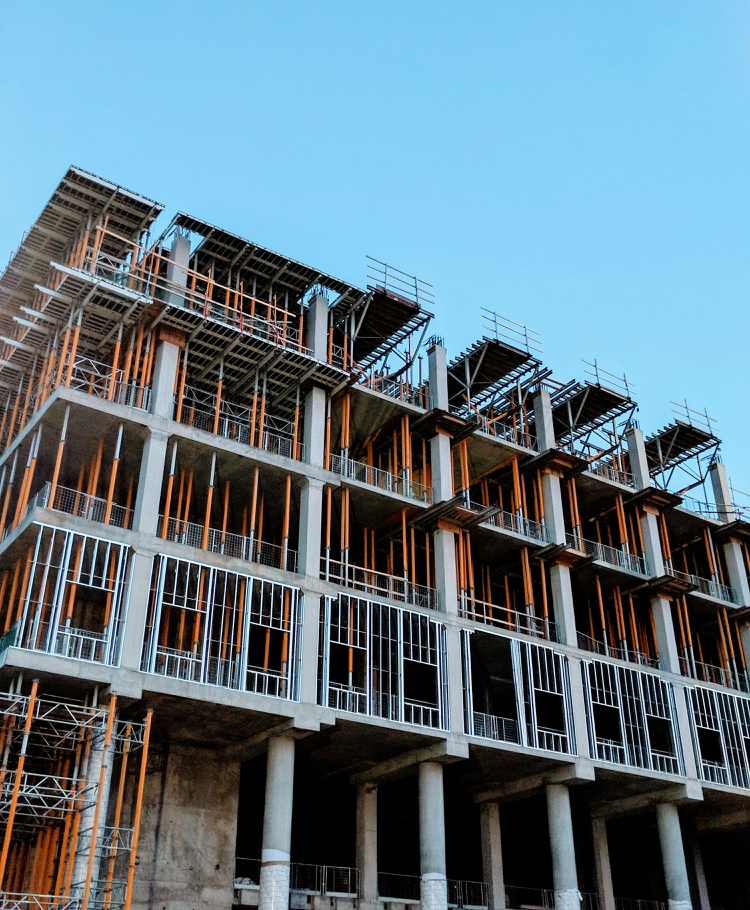
Construction projects involve financial assumptions that can change as work progresses. Material prices may increase, site conditions may differ from initial expectations, design changes may require additional work, or delays may affect labor and equipment costs. When the final cost exceeds the original contract price, the resulting dispute may involve questions about who assumed the relevant risk and whether the additional expense falls within the parties’ contractual obligations.
Cost overrun disputes can become particularly complicated when a construction agreement contains multiple provisions addressing pricing, change orders, allowances, contingencies, delays, and unforeseen conditions. The legal analysis may depend on the type of contract, the cause of the additional expense, and the language governing how changes to the original scope are handled.
The Contract Price Structure Sets the Starting Point
Construction agreements may use different pricing structures, and each can allocate financial risk differently.
A fixed-price contract generally establishes a set price for defined work, while a cost-plus arrangement may allow the owner to pay specified project expenses along with an agreed fee or markup. Time-and-materials contracts calculate compensation based on labor, materials, and other agreed costs.
Unit-price contracts may establish rates for individual categories of work, with the final amount depending on the quantity of work performed.
The type of pricing arrangement can influence how responsibility for unexpected costs is evaluated. A dispute involving a fixed-price agreement may raise different issues from one involving a cost-plus contract.
Changes to the Original Scope
Construction projects may evolve after the agreement is signed. An owner may request additional work, a design may be revised, or a contractor may encounter circumstances requiring changes to the original plans. The agreement may establish a formal process for documenting and pricing those changes.
Change order provisions can specify who has authority to approve additional work, how the price will be calculated, and what documentation is required.
Disputes may arise when work is performed without a formally executed change order or when the parties disagree about whether a particular task falls within the original scope.
Unforeseen Site Conditions
Site conditions can create significant financial uncertainty. A contractor may encounter subsurface conditions, unsuitable soil, hidden structures, groundwater, or other physical conditions that were not apparent when the project was priced.
Some construction contracts contain differing site conditions provisions that establish procedures for addressing unexpected conditions. These clauses may require notice within a specified period and may establish how additional costs or delays are evaluated.
The contract language can determine whether the condition falls within the provision and what documentation is necessary to support a claim.
Material Price Increases
Changes in material costs can affect project budgets, particularly when construction extends over a lengthy period.
A contract may contain escalation provisions addressing increases in the price of steel, lumber, fuel, concrete, or other materials. The provision may establish a baseline price, a threshold for triggering adjustments, or a formula for calculating the additional amount.
When the agreement does not contain an escalation mechanism, the parties may disagree about whether the contractor or owner bears the increased expense.
The timing of the price increase can also matter. A cost change occurring before contract execution may be evaluated differently from one arising after the parties have entered into the agreement.

Delays Can Increase Project Costs
Construction delays may create additional expenses involving labor, equipment, storage, financing, supervision, and extended project management.
The contractual allocation of delay risk can affect responsibility for those costs. A delay caused by an owner-directed change may raise different questions from one resulting from contractor performance or an event outside either party’s control. The agreement may also distinguish between excusable delays and delays that create financial liability.
Documentation concerning the cause, duration, and impact of the delay may become relevant when determining the resulting financial consequences.
Allowances and Contingencies
Construction contracts sometimes include allowances for items whose final cost is uncertain when the agreement is signed.
An allowance may cover materials, fixtures, finishes, or other components that have not yet been selected or fully priced. If the actual cost differs from the allowance, the contract may establish how the difference is handled.
Contingency provisions can operate differently. A contingency may establish a reserve for specified unforeseen expenses or risks.
Disputes may develop when the parties disagree about whether a particular expense falls within an allowance or contingency or whether the provision applies to the circumstances that caused the additional cost.
Notice Requirements and Documentation
Construction agreements frequently establish procedures for submitting claims for additional compensation.
The contractor may be required to provide written notice within a specified period after discovering the event that caused the additional expense. The contract may also require supporting records concerning labor, materials, equipment, or other project costs.
These requirements can become significant when a party later seeks additional payment.
A disagreement may arise over whether the required notice was provided, whether the documentation was sufficient, or whether the contractual procedure applies to the particular type of cost being claimed.
Design Errors and Incomplete Plans
Errors, omissions, or inconsistencies in project plans can create additional work.
The allocation of responsibility may depend on the contractual roles of the owner, architect, engineer, contractor, and other participants.
A contractor may argue that additional costs resulted from defective or incomplete design documents. Another party may contend that the contractor had responsibility for identifying the issue before beginning the affected work.
The agreement may contain provisions addressing design responsibilities, review obligations, or procedures for resolving discrepancies in project documents.
Subcontractor Costs and Pass-Through Claims
Additional project expenses may originate with subcontractors rather than the prime contractor.
A subcontractor may submit a claim for additional compensation based on changed conditions, delays, design revisions, or other events. The prime contractor may then seek corresponding payment from the project owner.
The construction agreement may establish procedures for presenting these pass-through claims.
Disputes can arise when the owner challenges the underlying subcontractor claim or when the prime contractor’s agreement imposes different notice and documentation requirements from the subcontract.
The Impact of Contract Modifications
Construction agreements may be modified throughout a project.
Written change orders, amendments, emails, meeting records, and other communications may alter the parties’ understanding of the original scope or pricing structure.
A dispute may arise when the parties disagree about whether a modification changed the contract price or allocated additional risk to one party.
The legal significance of a modification can depend on the agreement’s requirements for amendments and the circumstances surrounding the parties’ conduct.

Cost overrun disputes rarely arise from the final project price alone. The underlying issue may involve how the parties allocated risk at the outset, whether the scope changed, who caused a delay, or whether the agreement established a process for addressing unexpected expenses. The contract’s pricing structure and provisions concerning change orders, site conditions, escalation, and notice can shape the parties’ respective positions.
At Jabaly Law, we work with businesses involved in commercial contract disputes where construction agreements and project obligations are at issue. We can examine the contract alongside change orders, project communications, payment records, schedules, and other documentation to identify how additional costs developed and how the agreement addresses them.
Our commercial litigation attorneys represent clients in commercial disputes involving contractual payment obligations, scope disagreements, performance issues, and contested responsibility for project costs. When a construction disagreement involves substantial financial exposure or competing interpretations of contractual risk, we can assist with negotiations and, when necessary, litigation.
Virginia businesses can contact our business attorneys to discuss the contractual provisions, project history, and financial issues involved in the matter.
Frequently Asked Questions
What is a construction lien?
A construction lien is a legal claim against property that may be available to qualifying parties who have not received payment for labor or materials provided to a construction project. The availability and procedures governing such liens depend on applicable state law and the circumstances of the project.
How are retainage disputes handled?
Retainage refers to money withheld from progress payments until specified project milestones or completion requirements are satisfied. Disputes may arise concerning the amount withheld, the conditions for release, or whether deductions are permitted under the agreement.
Can a contractor dispute liquidated damages?
A contractor may challenge liquidated damages depending on the language of the contract and the circumstances surrounding the provision. Questions may involve whether the provision represents a valid contractual measure of anticipated damages or functions as an unenforceable penalty under applicable law.
What is a pay-if-paid provision?
A pay-if-paid provision generally addresses whether a contractor’s right to payment depends on the owner’s payment to the prime contractor. The enforceability and interpretation of such provisions can depend on the contract language and applicable state law.